
 716.874.3000
What Is Packaging Machinery, & How Do Packaging Machines Work?
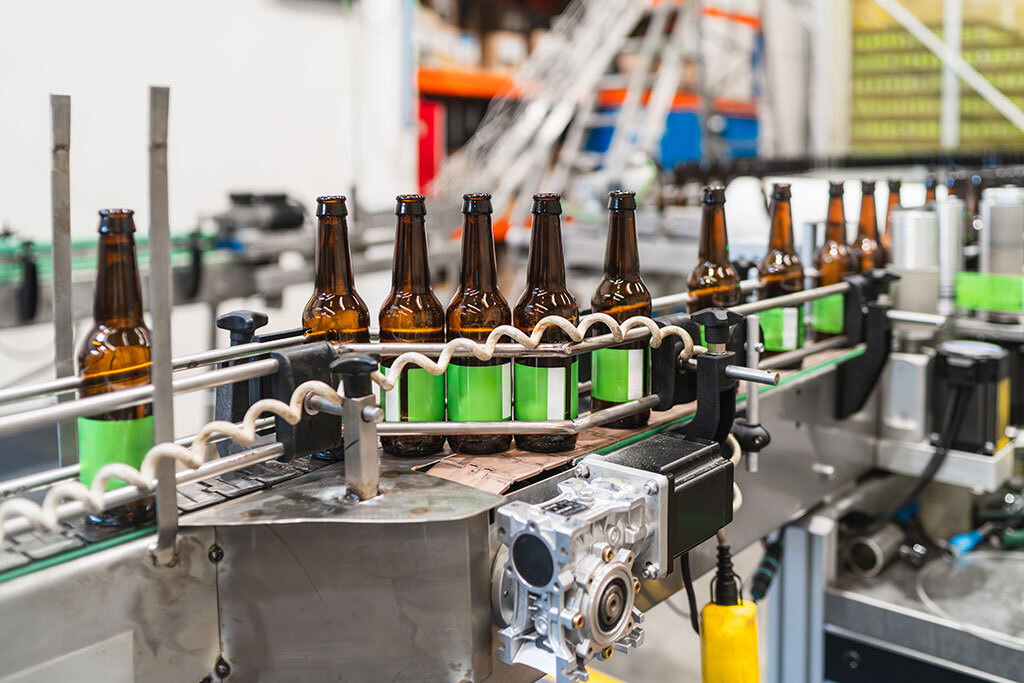
Packaging plays a vital role in protecting products, maintaining quality, and preparing goods for distribution. As production demands increase and manufacturing lines become more advanced, companies rely on packaging machinery to handle repetitive tasks with speed, precision, and reliability. These machines streamline the entire packaging workflow, from filling containers to sealing, labeling, wrapping, and palletizing products.
Understanding how packaging machinery works—and why it matters—can help businesses choose the right equipment for their operations.
What Is Packaging Machinery?
Packaging machinery refers to equipment designed to complete packaging tasks at various stages of production. These systems can automate or semi-automate functions such as filling, sealing, labeling, cartoning, or preparing products for shipment.
By standardizing packaging tasks, machinery reduces manual labor, minimizes errors, and maintains consistent quality. It also helps make sure products meet safety and regulatory requirements, which is especially important across industries like food and beverage, pharmaceuticals, cosmetics, chemicals, and consumer goods.
Types of Packaging Machinery
Packaging machinery spans a wide range of systems, each designed to handle a specific part of the packaging workflow. These machines not only increase speed and precision but also help ensure that products are packaged consistently and according to industry standards.
Here is a closer look at the most common categories of packaging equipment used across manufacturing environments.
Filling Machines
Filling machines are engineered to dispense accurate amounts of liquid, semi-liquid, powder, or granular products into containers. They come in several variations, including piston fillers for thick products, pump fillers for viscous or particulate-heavy materials, auger fillers for dry powders, and gravity fillers for free-flowing liquids.
These machines are often used in industries such as food and beverage, cosmetics, chemicals, and pharmaceuticals, where fill accuracy and product integrity are vital. Their primary role is minimizing waste, maintaining uniformity, and supporting high-speed production.
Sealing Machines
Sealing machines close or secure packaging materials to protect products from contamination, moisture, and tampering. Common types include heat sealers, band sealers, induction sealers, and ultrasonic sealers. Heat and band sealers are widely used for pouches and bags, while induction sealers are popular for screw-cap containers to create airtight, tamper-evident seals.
Sealing systems are crucial in food, beverage, pharmaceutical, and chemical applications where shelf life, product safety, and regulatory compliance are priorities.
Wrapping Machines
Wrapping machines use materials such as shrink film or stretch film to enclose products for protection, bundling, or improved presentation. These machines are commonly used in logistics, consumer goods, food processing, and e-commerce fulfillment.
Shrink wrappers apply heat to shrink film around items, creating a tight, tamper-resistant enclosure ideal for retail packaging. Stretch wrappers secure pallet loads for transportation by stretching film around the stacked products.
Strapping Machines
Strapping machines apply tensioned straps around boxes, bundles, or pallet loads to hold them firmly in place. They are available in manual, semi-automatic, and fully automatic configurations depending on production volume. Polypropylene and polyester straps are the most commonly used materials.
Strapping systems are a helpful addition to warehousing, distribution, and manufacturing facilities where load stabilization, safety, and efficient product handling are critical.
Labeling & Coding Machines
Labeling and coding machines apply labels or print essential information such as batch numbers, barcodes, expiration dates, and lot codes. These machines range from simple tabletop models to fully automated units that integrate seamlessly into high-speed production lines.
Industries rely on labeling and coding solutions to help maintain traceability, meet regulatory requirements, and enhance branding. They are indispensable in food packaging, pharmaceuticals, cosmetics, and consumer goods manufacturing.
Blister & Strip Packaging Machines
Blister and strip packaging machines create sealed cavities to securely house individual items. Blister machines form plastic pockets that are filled with products and sealed with foil or film and are commonly used for tablets, electronics, and small hardware components. Strip packaging machines enclose items between two layers of film, ideal for pharmaceuticals or small consumables.
These packaging machines offer excellent product protection, tamper evidence, and precise unit-dose packaging.
Cartoning & Case Packing Machines
Cartoning machines automate the process of forming cartons, inserting products, and sealing boxes, while case packers handle larger shipping containers. Cartoners may be horizontal or vertical, depending on how products are loaded. Case packers stack, sort, and place packaged goods into cases for shipping.
Cartoners and casers are widely used in high-volume industries such as food processing, household goods, pharmaceuticals, and personal care products, where efficiency and presentation are key.
Palletizing Machines
Palletizing machines automatically stack packaged products onto pallets for transportation or storage. Modern palletizers may use robotics, conveyors, or layering mechanisms to organize loads efficiently. Robotic palletizers are especially useful for operations requiring flexibility, precision, and handling of multiple product sizes.
These systems are commonly used in manufacturing, warehousing, distribution, and large-scale consumer goods production to improve safety and reduce manual labor.
The Importance of Packaging Machines in Modern Manufacturing
Packaging machinery plays a critical role in maintaining consistency, safety, and efficiency throughout the manufacturing process.
As production demands grow, companies rely on automated systems to keep up with fast-paced output requirements while avoiding the errors, inconsistencies, and delays that come with manual packaging. Machinery helps ensure that every container is filled accurately, every seal is secure, and every product is prepared to withstand shipping and handling. This level of precision is difficult to achieve manually, especially at scale, which is why automated packaging systems have become standard across nearly every industry.
Beyond efficiency, packaging machinery is critical for promoting product protection and regulatory compliance. Many industries, particularly food, beverage, pharmaceutical, and chemical manufacturers, must meet strict standards for hygiene, safety, and traceability. Packaging equipment helps businesses meet these expectations by providing controlled, repeatable processes that minimize contamination risks and help maintain proper labeling and documentation.
By delivering consistent quality and safeguarding the integrity of each product, packaging machinery supports brand reputation, customer satisfaction, and long-term operational success.
How Do Packaging Machines Work? 7 Steps in the Typical Packaging Process
Packaging machinery varies widely in design and function, but most systems follow a structured sequence that ensures products are consistently and safely prepared for distribution. Whether handling liquids, powders, small components, or finished goods, these machines rely on a coordinated series of mechanical, pneumatic, or robotic actions.
Step 1: Feeding
The process begins with feeding, where products, containers, or materials are introduced into the system. Depending on the product type, manufacturers may use conveyors, hopper systems, vibratory feeders, or automated container unscramblers.
Proper feeding helps ensure that items are delivered in the correct orientation and spacing, preventing blockages or delays downstream. This step sets the foundation for smooth operation and helps maintain the rhythm of high-speed production lines.
Step 2: Film Transport & Forming
For machines that package products using flexible film, the equipment must pull, unwind, and form the material into a specific shape, such as a pouch, bag, sleeve, or tray. Roll-fed film is guided through rollers and forming collars that shape it into an open container ready for filling.
Precise tension control, alignment sensors, and forming mechanisms are crucial here to help maintain the film remains stable and uniform. Any deviation can result in wrinkles, weak seals, or packaging inconsistencies.
Step 3: Filling
Once containers or formed packages are ready, the filling stage begins. This step requires high precision to minimize waste, prevent spills, and maintain consistent product quantity across thousands of cycles.
Automated filling systems use pumps, pistons, augers, gravity flow, or volumetric controls to dispense exact amounts of product. Advanced machines may also include no-drip nozzles, diving heads for foamy products, or multi-head filling systems to increase output.
Step 4: Sealing
After filling, the package must be securely closed. Sealing can involve heat, pressure, adhesives, ultrasonic vibration, or induction technology, depending on the packaging material. Heat sealers melt the film layers together, while induction sealers bond foil liners to container rims without direct contact.
Effective sealing helps maintain product freshness, prevents leakage, and protects against tampering. Sealing integrity is especially important in food, pharmaceutical, and chemical applications.
Step 5: Cutting or Separation
For continuous packaging formats, the machine divides the sealed material into individual units. Rotary knives, guillotine cutters, or perforation systems may be used depending on the packaging style.
Accurate cutting prevents uneven edges, product damage, and misaligned seals. At high speeds, the cutting action must synchronize with feeding and sealing to maintain consistent package size and presentation.
Step 6: Inspection
Modern packaging lines integrate inspection systems to verify that each product meets quality and compliance standards. Automated inspection significantly reduces manual checking and helps maintain strict quality control.
Cameras, sensors, metal detectors, checkweighers, and vision systems evaluate fill levels, seal integrity, barcodes, and other critical criteria. If the system detects missing components, leaks, or incorrect labeling, the package is automatically flagged.
Step 7: Rejection or Sorting
Packages that fail inspection are diverted from the main production line through pushers, drop gates, or air jets to protect downstream processes and prevent defective products from reaching customers. Sorting mechanisms may also organize products based on size, weight, or destination.
Efficient rejection and sorting helps make sure only high-quality, compliant items continue toward cartoning, palletizing, or shipment.
5 Benefits of Using Packaging Machinery
Packaging machinery delivers a wide range of operational, financial, and quality-related advantages that help manufacturers meet modern production demands. Each of these benefits contributes to better performance and more reliable output on the production floor.
1. Increased Speed & Production Efficiency
One of the most significant benefits of packaging machinery is the ability to dramatically increase production speed. Automated systems perform tasks such as filling, sealing, labeling, and wrapping at rates far beyond manual labor. This high throughput allows manufacturers to meet rising demand without compromising quality. Faster cycle times also reduce bottlenecks, enabling smoother and more predictable output across the entire production line.
2. Greater Accuracy & Consistency
Packaging machines are engineered to deliver repeatable, precise results for every cycle. By controlling fill volumes, applying labels, or executing perfect seals, these systems minimize variations that can lead to waste or product defects. Consistency is particularly important for industries that require strict tolerances, such as pharmaceuticals or food and beverage manufacturing, where even small discrepancies can impact safety or regulatory compliance.
3. Improved Safety & Hygiene
Automated packaging equipment reduces direct human contact with products, which lowers the risk of contamination and improves overall hygiene. Many machines are built with clean-in-place (CIP) or washdown features, ensuring sanitation standards are met in environments like food processing or cosmetic manufacturing. Additionally, automation minimizes worker exposure to repetitive motions, heavy lifting, or hazardous materials, creating a safer workplace.
4. Better Product Presentation & Brand Image
Packaging machinery helps ensure that products are consistently presented with clean seals, accurate labels, and polished wrapping. High-quality packaging directly influences customer perception and brand trust, especially in competitive markets. Automated systems can also handle complex or custom packaging formats, which allows companies to elevate their product presentation and stand out on retail shelves.
5. Long-Term Cost Savings
While packaging machinery requires an initial investment, the long-term cost savings are significant. Automated systems reduce labor costs, minimize product waste, lower error rates, and decrease downtime caused by manual processing. Over time, these efficiencies translate into substantial financial benefits. Additionally, machinery designed for durability and easy maintenance extends equipment lifespan and reduces operational disruptions.
Tips for Finding the Best Packaging Machine for Your Production Line
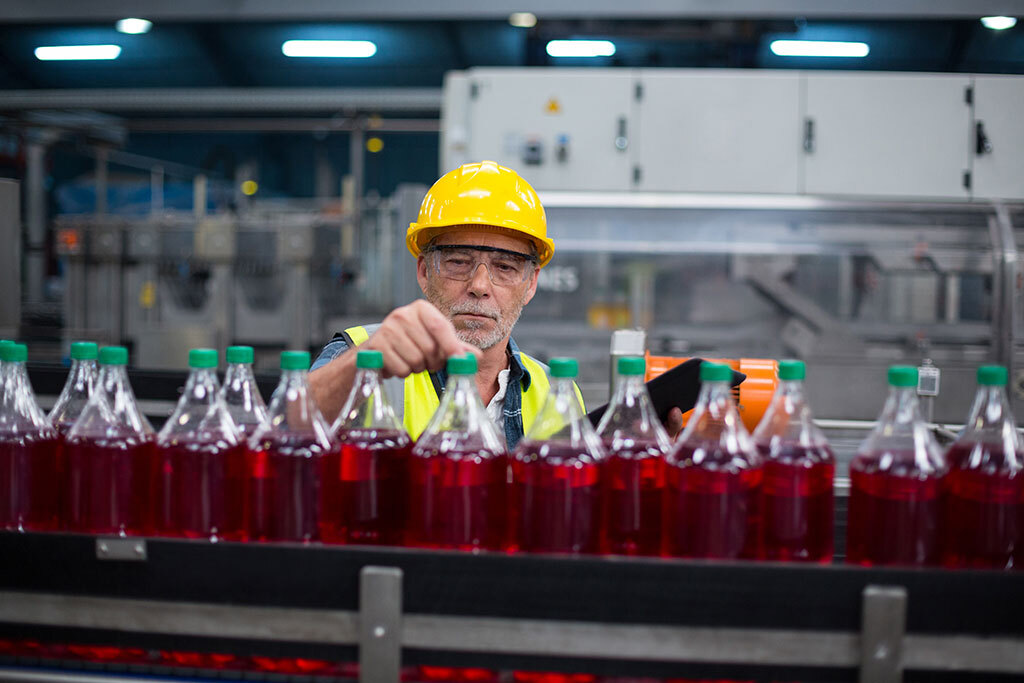
Choosing the right packaging machinery is a strategic decision that directly affects productivity, product quality, and long-term operational efficiency. Because every production line has unique requirements, manufacturers must consider multiple factors to help make sure the equipment they select supports both current needs and future growth.
Keep these tips in mind as you look for the best fit for your packaging workflow.
Understand Your Product Characteristics
Every product has traits that affect how it must be handled, filled, sealed, or packaged. Liquids may require specific filling mechanisms depending on viscosity, while powders need controlled dispensing to prevent dusting and waste. Fragile products must be moved gently to avoid damage, and temperature-sensitive materials may require specialized equipment. By clearly defining these characteristics upfront, manufacturers can narrow down machinery options that protect product integrity and maintain consistent output.
Identify the Right Packaging Format & Materials
The packaging method you use—bottles, jars, pouches, blister packs, cartons, cases—determines what type of machinery will work best. Different formats also require specific materials like flexible film, rigid plastic, foil, or corrugated cardboard. Compatibility between the machine and materials is essential to achieving reliable seals, accurate forms, and high-quality presentation.
Evaluate Current & Future Production Volume
Production volume is one of the strongest influencers of machinery selection. Smaller operations may benefit from semi-automatic equipment that offers flexibility and a lower upfront cost, while high-volume manufacturers typically require fully automated systems capable of continuous, rapid operation. It’s also important to consider future growth; choosing a machine that can scale with increasing demand helps avoid costly upgrades or replacements later on.
Consider Integration with Existing Equipment
Most production lines function as a connected ecosystem of machines that must operate smoothly together. When selecting new packaging machinery, it’s important to determine whether it can integrate with your current conveyors, filling systems, sealing equipment, inspection stations, or palletizers. Seamless integration boosts efficiency, reduces downtime, and helps maintain consistent product flow throughout the entire line.
Understand Maintenance & Operator Requirements
Ongoing maintenance and operator training influence the long-term success of any packaging system. Machines that are easy to clean, access, and maintain reduce downtime and extend equipment lifespan. Similarly, intuitive controls and clear safety features help operators manage the system confidently and efficiently. Evaluating maintenance needs and operator skill levels helps ensure your team can use the equipment safely and effectively.
Maintain Compliance with Industry Standards
Packaging equipment must comply with regulations relevant to your industry, whether they involve hygiene, labeling, safety, or traceability. For example, food and pharmaceutical manufacturers often require sanitary designs, tamper-evident packaging capabilities, or documentation systems for batch tracking. Ensuring compliance upfront not only protects consumers but also reduces the risk of regulatory issues later.
Packaging Machine FAQs
Manufacturers often have questions when evaluating equipment and planning their production lines. The following answers provide clear insights to support better decision-making.
What Is the Difference Between a Packing Machine & a Packaging Machine?
Although the terms are often used interchangeably, there is a subtle difference. A packaging machine refers to equipment that prepares products for distribution by filling, sealing, wrapping, labeling, or otherwise enclosing them. A packing machine, on the other hand, generally focuses on placing already-packaged items into boxes, trays, or larger containers for storage or shipment. In short, packaging machines handle product preparation, while packing machines handle final assembly and transport readiness.
How Many Types of Packaging Machines Are There?
There are dozens of specialized packaging machines, each designed for a specific role in the production process. Broad categories include filling machines, sealing machines, wrapping systems, labeling and coding machines, blister and strip packaging machines, cartoning and case packing equipment, and palletizing systems. Within each category, multiple variations exist to accommodate different product types, containers, speeds, materials, and production environments.
What Is the Role of a Packaging Machine Operator?
A packaging machine operator is responsible for overseeing the setup, operation, monitoring, and basic maintenance of packaging equipment. Their tasks often include loading materials, adjusting for accuracy, inspecting output, identifying issues, and maintaining a clean, safe production area. Skilled operators play a key role in keeping lines running smoothly and maximizing equipment performance.
What Industries Use Packaging Machinery the Most?
Packaging machinery is used across a wide range of industries, but it is especially vital in food and beverage, pharmaceuticals, cosmetics, chemicals, household goods, and consumer packaged goods. These sectors depend on packaging machines to protect products, apply accurate labeling, meet regulatory standards, and support high-speed production environments.
How Long Does Packaging Machinery Typically Last?
With proper care and routine maintenance, well-built packaging machinery can remain operational for 10‒20 years or longer. Equipment longevity depends on usage intensity, environmental conditions, component quality, and how consistently preventative maintenance is performed. Regular servicing and timely part replacement significantly extend the lifespan of the machine.
Can Packaging Machinery Be Customized for Unique Products?
Yes. Many packaging machines can be customized or configured to handle non-standard product dimensions, unusual shapes, specialty materials, or unique loading and sealing requirements. Custom tooling, specialized conveyors, adjustable filling systems, and modular machine designs allow manufacturers to tailor equipment to meet specific production needs.
How Much Training Is Required to Operate Packaging Machinery?
Training requirements vary based on machine complexity and the level of automation involved. Basic systems may only require simple instruction, while advanced, fully automated lines may involve more extensive operator certification. Most manufacturers provide onboarding, manuals, and continued support to promote safe operation and long-term performance.
Contact Oden Machinery for High-Quality Liquid Packaging Equipment
Packaging machinery plays a crucial role in delivering consistent product quality, protecting goods throughout the supply chain, and maintaining the efficiency that modern manufacturing demands. With the right equipment in place, companies can streamline production, reduce waste, maintain compliance, and confidently scale to meet growing market needs.
If you’re looking to boost your production capabilities, we can help.
At Oden Machinery, we provide the expertise, technology, and support needed to build a high-performing production line. Whether you’re upgrading existing equipment or designing a system from the ground up, our team can help you evaluate your needs and select the right machinery.
Contact us today to learn more about our available inventory of used liquid packaging equipment and find the perfect solution for your packaging operation.
